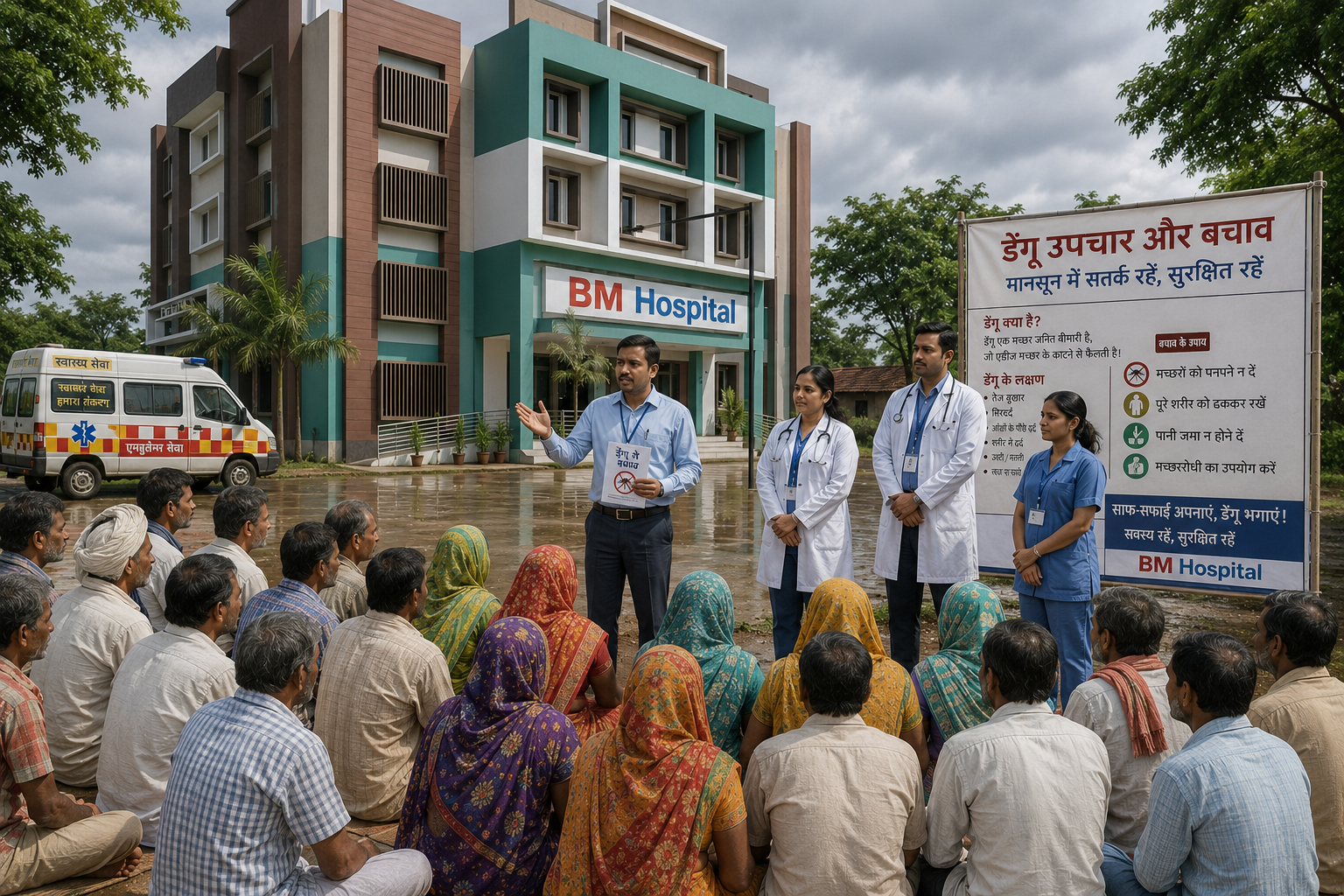
Dengue Treatment in Barabanki becomes especially important during the monsoon season, when the risk of mosquito-borne and viral diseases increases significantly. While the rainy season brings relief from summer heat, it also creates conditions that allow mosquitoes, bacteria, and viruses to thrive.
Why Do Monsoon Diseases Increase?
During the monsoon, stagnant water collects in open containers, drains, construction sites, and household surroundings. These water sources become breeding grounds for mosquitoes that spread diseases such as dengue and malaria.
Dengue
Spread by Aedes mosquitoes breeding in stagnant water.
Malaria
Common during rainy seasons due to mosquito growth.
Viral Fever
Spreads quickly due to weather and environmental conditions.
Common Symptoms to Watch For
Dengue Treatment in Barabanki: Early Care Matters
Timely diagnosis and treatment can significantly reduce the risk of complications. Dengue often begins with symptoms similar to common viral fever, making proper medical evaluation essential.
Preventive Measures for Monsoon Health
Keep Your Surroundings Clean
Remove stagnant water from buckets, coolers, flower pots, and rooftop containers.
Use Mosquito Protection
Use repellents, mosquito nets, and wear full-sleeved clothing.
Drink Safe Water
Consume filtered drinking water and avoid uncertain sources.
Strengthen Immunity
Eat a balanced diet, stay hydrated, and get sufficient sleep.
Role of a Charitable Hospital in Barabanki
A charitable hospital plays an important role in improving community health by making healthcare services accessible and affordable. Through medical consultations, diagnostic services, health awareness programs, and outreach initiatives, healthcare organizations help people receive timely care regardless of their financial situation.
Conclusion
The monsoon season requires extra attention to health and hygiene. By taking preventive measures and seeking timely medical care, individuals and families can protect themselves from dengue, malaria, and viral infections.