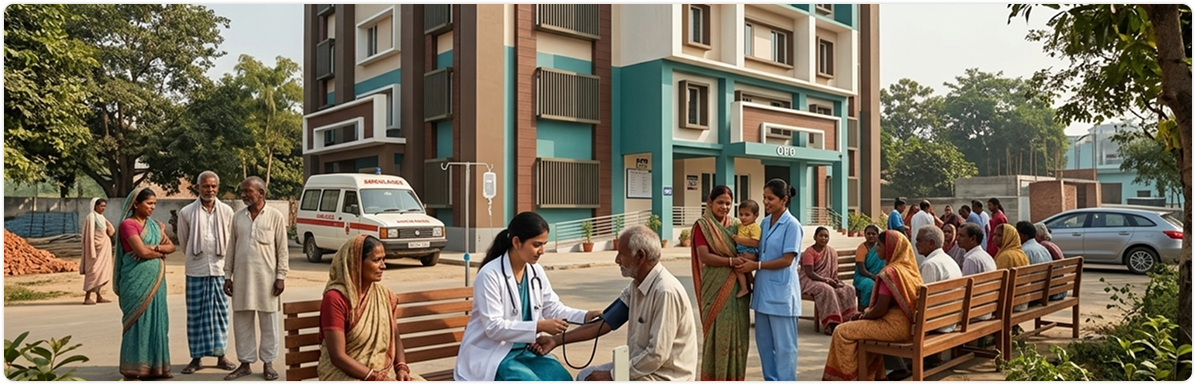
Charitable hospitals in Barabanki play a vital role in bridging the healthcare gap for economically weaker sections, ensuring that no one is deprived of basic medical care due to financial limitations.
In many parts of India, access to affordable and quality healthcare remains a challenge, especially for low-income families. This is where charitable hospitals step in as a lifeline.
Affordable Healthcare for All
One of the biggest contributions of a charitable hospital is providing low-cost or free medical services. From routine checkups to emergency care, these hospitals ensure that patients receive timely treatment without worrying about expenses.
For daily wage workers and underprivileged families, this support can make a significant difference in maintaining their health and well-being.
Importance of Community Health Camps
Community Health Camps are an essential extension of charitable healthcare services. These camps bring medical care directly to the people, especially in rural and underserved areas.
Through free doctor consultations, health screenings, distribution of medicines, and awareness programs, these initiatives help in early detection and prevention of diseases.
Trusts like BM Social Welfare Trust actively organize such camps to create awareness about hygiene, nutrition, and preventive healthcare.
Building Health Awareness and Trust
Charitable hospitals do more than just treat patients—they build trust within the community. People feel more comfortable seeking medical help when they know that services are affordable and accessible.
Over time, this trust encourages regular health checkups and reduces the risk of severe health complications.
Supporting Women and Child Healthcare
Charitable hospitals play a crucial role in improving maternity and child health. Services like prenatal care, safe deliveries, vaccination programs, and pediatric care ensure that both mothers and children receive proper medical attention.
This is especially important in low-income communities where access to specialized care is limited.
Strengthening Community Health Systems
By offering essential medical services and organizing community health camps, charitable hospitals help reduce the burden on government healthcare systems.
They act as a support system, ensuring that even the most vulnerable populations have access to care and strengthening the healthcare infrastructure at the grassroots level.
Conclusion
A charitable hospital in Barabanki is not just a healthcare provider—it is a pillar of support for low-income communities.
Through affordable treatments, awareness initiatives, and regular health camps, these institutions are transforming lives and creating a healthier society.
Organizations like BM Social Welfare Trust continue to contribute toward this mission, ensuring that quality healthcare reaches those who need it the most.